
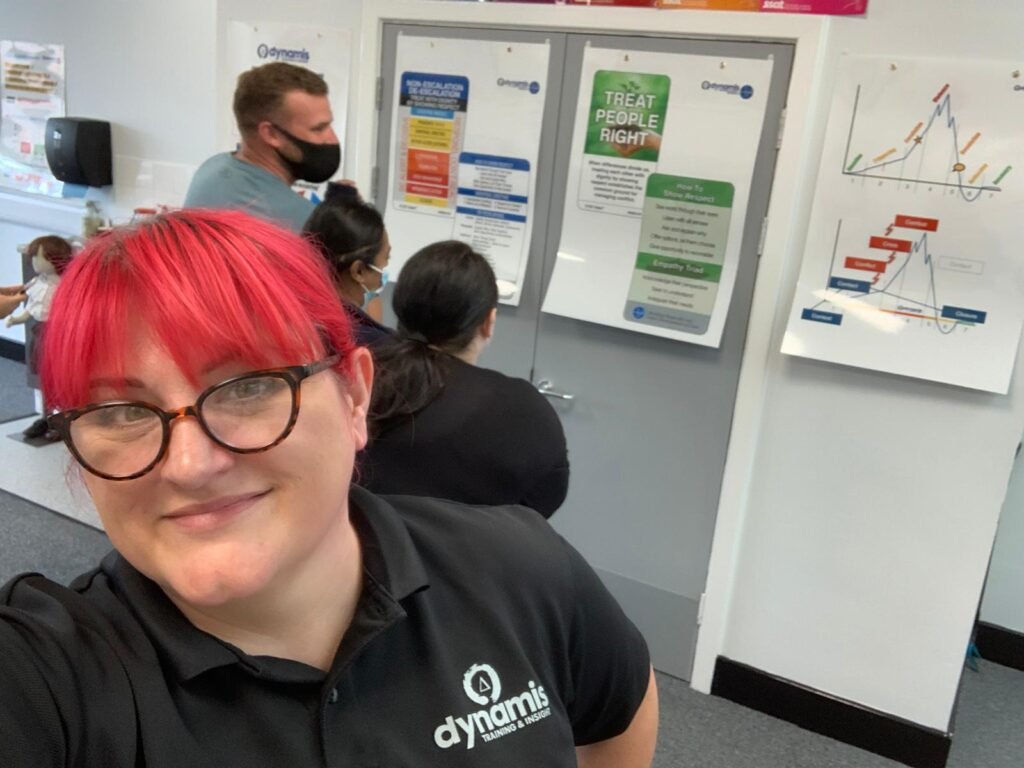
In July 2025, an innovative three-day training programme was delivered to healthcare professionals at an NHS Foundation Trust in London, focusing on de-escalation, trauma-informed care, and patient-centered communication. The comprehensive report reveals not only the success of this alternative approach but also highlights significant gaps in traditional training methods. This article explores the key findings and implications of this groundbreaking pilot project.
Mental health care professionals face unique challenges when managing escalating situations. Traditional Prevention and Management of Violence and Aggression (PMVA) training has often prioritized physical intervention techniques over communication strategies. As one participant in the pilot programme noted, “PMVA doesn’t really do de-escalation. It just does the physical side,” while another pointed out that “No one ever taught us how to talk to someone with psychosis.”
These limitations have created a skills gap among frontline staff, who often find themselves inadequately prepared to handle complex situations involving distressed patients. The pilot project sought to address this gap by offering a comprehensive, trauma-informed approach to de-escalation.
Perhaps the most impactful element of the training was the inclusion of a lived experience expert. Participants consistently emphasized how hearing directly from a service user transformed their understanding of restraint and escalation. This human perspective allowed staff to see beyond problematic behaviors and recognize underlying needs, fostering a more empathetic approach to care.
One participant reflected, “Sean gave us the insight of what happened and how [the patient] feels if they get into restraint when they are not heard… I feel like that was information for us – to be aware of what we do.” This perspective shift represents a fundamental change in how staff perceive challenging behaviors.
The training program delivered several innovative components that participants found particularly valuable:
The programme received an impressive Net Promoter Score of 9.7, with participants reporting significant changes in their confidence and approach to challenging situations. A Matron from a PICU ward commented: “Well taught and evidence based. I think this training would work best if offered to all front line staff to improve knowledge and confidence and reduce incident, injury and burnout as well as improving the patient experience significantly.”
Participants consistently expressed that the training would change their practice. The strongest impact areas included use of language and tone, reflection and documentation practices, approaches to reducing unnecessary restraint, and growth in emotional literacy and resilience.
Beyond individual skill development, the pilot project highlighted several organizational challenges that need addressing:
The report makes a compelling business case for reconsidering traditional training approaches. Effective de-escalation leads to fewer violent incidents, resulting in reduced staff injury, less sick leave, and lower associated costs. Staff who feel confident in handling challenging situations are more likely to remain in their roles, reducing recruitment and training expenses.
Additionally, trauma-informed, patient-centered approaches lead to improved therapeutic relationships and potentially shorter inpatient stays. Trusts that prioritize non-physical intervention strategies align with contemporary care standards and may experience enhanced reputation among patients, families, and the broader healthcare community.
Based on the pilot’s findings, the report offers several key recommendations:
The NHS Mental Health Trust Pilot Project represents more than just an alternative training approach—it signals a fundamental shift in how we conceptualize care in challenging circumstances. By prioritizing communication, empathy, and trauma-informed approaches over physical intervention, the pilot offers a blueprint for more humane and effective mental health care.
As one participant succinctly stated: “We’re not going there to fight. We’re going there to help… and this is what we’ve learned.” This simple yet profound shift in perspective encapsulates the transformative potential of this approach.
For mental health services seeking to improve patient outcomes while supporting staff wellbeing, investing in comprehensive, evidence-based de-escalation training represents not just a practical necessity but an ethical imperative. The pilot demonstrates that with the right training, staff can lead with dignity and insight, transforming the experience of both providers and recipients of mental health care.
Download our Positive Handling starter guide for schools.
Ready to explore Positive Handling training for your staff team? Let’s talk today.
What do you need? Use our simple tool to find the most relevant training and support options for your role, sector and challenges.