
RRN Training
Certified, trauma-informed restraint reduction training to prevent, reduce, and safely manage restrictive practices.
Prevention First
Safer Responses
Regulatory Ready
Sustainable Change
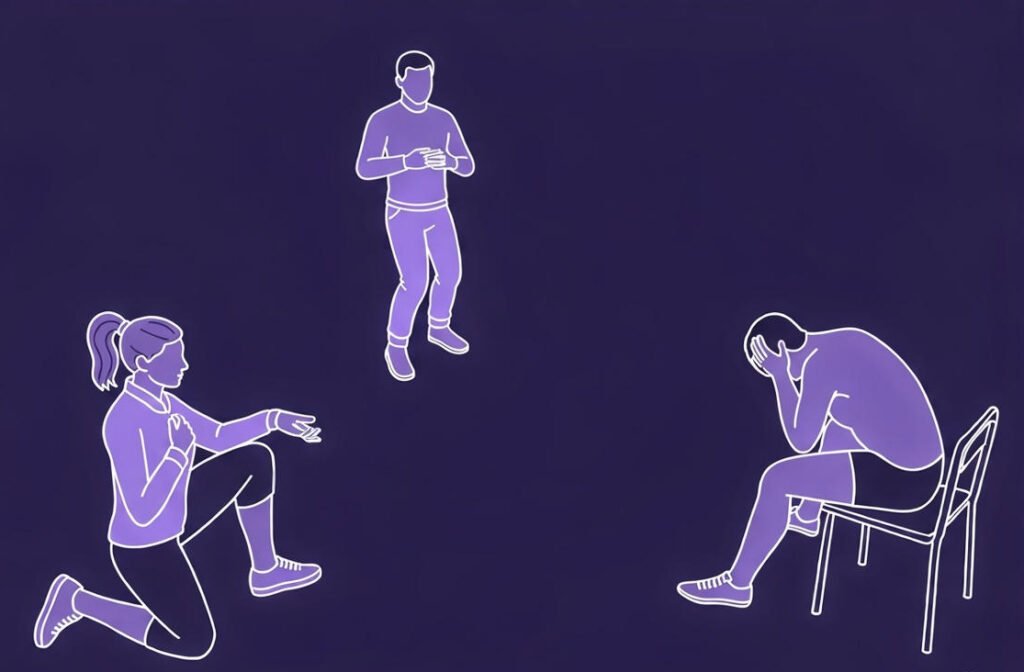
Reducing Restraint Matters
01
Safety
Unsafe interventions can cause injury and trauma.
02
Compliance
Mismanaged incidents erode trust with communities, families, and regulators.
03
Culture
Poor practice erodes trust and morale.
Proven RRN Programmes
Certified, evidence-based training with measurable impact on reducing restrictive practices.
Certified
Fully aligned with RRN and ICM standards.
Person-Centred
Prioritises dignity, choice, and rights.
Measurable
Tracks improvements in safety and culture.
Expert-Led
Delivered by qualified, experienced trainers.
Course Outline & Goals
Course Title
RRN Protective Interventions: Prevention, De-escalation, and Safe Response
Course Aim
To transform protective practices in healthcare and social care settings by equipping professionals with evidence-based, trauma-informed approaches that prioritize prevention, reduce restrictive interventions, and maintain dignity while ensuring safety for all involved.
Learning Outcomes
By the end of this course, participants will:
Know:
- The legal and ethical frameworks governing restrictive interventions, including human rights considerations
- The core standards and principles of the Restraint Reduction Network (RRN)
- The Seven Phases of Crisis model and appropriate intervention strategies for each phase
- The SCARF model and its application to understanding and preventing threat responses
- Evidence-based approaches to behavior management and de-escalation
- Risk assessment processes for potentially hazardous situations
- Post-incident procedures including documentation and regulatory compliance
Understand:
- The principles of restraint reduction and person-centered care
- How trauma affects behavior and the importance of trauma-informed approaches
- The relationship between primary prevention strategies and improved quality of life
- The importance of maintaining emotional equilibrium during crisis situations
- How environmental factors and staff approaches can trigger or prevent escalation
- The distinction between non-restrictive and restrictive interventions
- The ethical considerations in physical intervention decision-making
- The impact of sensory needs on behavior and appropriate accommodations
Be able to do:
- Implement primary preventive strategies through person-centered care approaches
- Recognize early warning signs of escalating behavior
- Apply effective de-escalation techniques in both everyday and challenging situations
- Maintain appropriate proxemics and personal space in crisis situations
- Execute safe physical intervention techniques when absolutely necessary
- Make informed decisions about intervention approaches based on risk assessment
- Document incidents appropriately in line with regulatory requirements
- Conduct effective post-incident reviews to improve future practice
- Apply dignity-focused approaches throughout all levels of intervention
Course Duration
This comprehensive 3-day training program is structured into three sequential units:
- Day 1: Primary Preventive Strategies
- Day 2: Secondary and Non-Restrictive Tertiary Management
- Day 3: Protective Physical Interventions
Target Audience
- Healthcare professionals working in mental health settings
- Social care staff supporting individuals with challenging behaviors
- Educational professionals in specialist settings
- Any staff working in environments where challenging behaviors may occur
Learning Methodologies
- SCENA scenario-driven training approach developed with Loughborough University
- Graphic medicine techniques using visual storytelling to enhance understanding
- Role-playing of real workplace situations with incremental complexity
- Active learning through participant co-creation of content
- Video analysis and guided reflection
- Practical skill development with expert feedback
- Case studies and problem-solving exercises
Tailoring and Relevance
Training begins with a thorough training needs analysis to understand your organization’s unique challenges and goals. Content is specifically tailored to reflect real workplace situations in your setting, ensuring maximum relevance and immediate application.
Legal and Medical Review
Our program has undergone rigorous independent review by medical and legal experts:
- Medical assessment by Dr. Anthony Bleetman
- Educational and psychological review by Professor Harry Kennedy
- Legal and ethical evaluation through the ‘Safety Without Compromise’ endorsement program
Trainer Qualifications and Credibility
Delivered by expert trainers with extensive healthcare experience and specialized qualifications in physical intervention teaching. Our training team is led by Gerard O’Dea, who holds the ICM Physical Skills Tutor Award (ICM L324 # 5488T), providing independent verification of expertise.
Resources Provided
Participants receive comprehensive reference materials including:
- Illustrated guides to techniques
- Decision-making frameworks
- De-escalation strategy cards
- Documentation templates
- Digital resources for ongoing reference
Monitoring and Evaluation Plan
Course effectiveness is measured through:
- Pre and post-training confidence assessments
- Practical skill demonstration evaluations
- Follow-up implementation support
- Data collection on incident reduction (with demonstrated average improvement from 3.0 to 4.5 in learner confidence across key competencies)
- Ongoing quality assurance through the Institute of Conflict Management (QAC#2201)
Reinforcement and Ongoing Learning
The program includes a structured support system to ensure lasting cultural change:
- Step 1: Understand – Through thorough needs analysis
- Step 2: Transform – Through engaging, practical training
- Step 3: Sustain – Through ongoing support and guidance
The Dynamis RRN-certified course delivers measurable impact, with over 98% of participants reporting that training exceeded expectations. Organizations typically experience reduced incidents of restrictive practices, increased staff confidence, better outcomes for service users, and full compliance with regulatory requirements.
Course Title
Crisis Management: Supporting Vulnerable and Volatile Individuals with Dignity and Safety
Course Aim
To equip professionals with the knowledge, understanding, and practical skills needed to safely manage crisis situations involving vulnerable or volatile individuals, using trauma-informed approaches that maintain dignity while ensuring safety for all involved.
Learning Outcomes
By the end of this course, participants will:
Know:
- The Kaplan Wheeler Model of the seven phases of crisis behavior
- The SCARF Model for understanding social triggers
- Legal frameworks related to duty of care and personal safety
- Risk factors and warning signs of escalating behavior
- Trauma-informed approaches to crisis intervention
- The core principle that “all people respond to being treated with dignity by showing them respect”
- The five ‘special needs strategies’ for individuals with cognitive difficulties (temporary or long-term)
Understand:
- How to recognize early signs of escalation in vulnerable or volatile individuals
- The impact of proxemics and body positioning in crisis situations
- The importance of team-based responses to high-risk behaviors
- The balance between providing care and ensuring safety
- The ethical considerations when working with vulnerable individuals
- The neurobiological basis of crisis behaviors
- How personal triggers can impact professional responses
- The difference between emergencies and planned interventions
Be able to do:
- Apply effective pre-planned responses to crisis situations
- Demonstrate appropriate verbal tactics and behaviors for encounters with distressed individuals
- Execute dynamic risk assessments in real-time scenarios
- Implement non-triggering communication strategies
- Apply trauma-informed de-escalation techniques
- Maintain emotional equilibrium under pressure
- Correctly position themselves to maximize safety when approaching volatile individuals
- Apply appropriate physical protective interventions as a last resort (if included in training format)
- Document incidents appropriately for legal and organizational requirements
Course Duration
- Full-day (6 hours): Comprehensive crisis management skills
- Optional additional day for physical protective interventions (where appropriate)
- Blended learning options with online pre-learning (90 minutes) and in-person practice
Target Audience
- Healthcare professionals
- Social care workers
- Educational staff
- Security personnel
- Public-facing workers who encounter vulnerable or volatile individuals
Learning Methodologies
- Scenario-driven training using the SCENA approach
- Practical role-playing of common crisis situations
- Video case studies and analysis
- Small group problem-solving activities
- Demonstration and supervised practice
Tailoring and Relevance
Training is specifically designed based on a thorough Training Needs Analysis to address your organization’s unique environment and the specific vulnerable populations you serve.
Legal and Medical Review
All training content is regularly reviewed and updated to align with current legislation and best practices, meeting the high standards required by the Institute of Conflict Management accreditation and SWC (Safety Without Compromise) endorsement.
Trainer Qualifications and Credibility
Delivered by experienced professionals with expertise in crisis management, trauma-informed care, and conflict resolution, certified through the Institute of Conflict Management (ICM).
Resources Provided
Participants receive comprehensive reference materials and access to ongoing support resources for implementing learned skills in the workplace.
Monitoring and Evaluation Plan
Course effectiveness is measured through practical skill assessment during training and follow-up evaluation of implementation in the workplace.
Reinforcement and Ongoing Learning
The course includes strategies for maintaining skills through practice and reflection, with optional follow-up support to ensure sustained application of techniques.
This course is built on the foundation of treating every person with dignity and respect, even in crisis situations. The scenario-based approach ensures that participants develop practical skills they can immediately apply in their work environments, resulting in increased confidence, reduced incidents, and better outcomes for both staff and the vulnerable individuals in their care.
Course Title
Positive Behaviour Support: Understanding, Preventing, and Responding to Challenging Behaviour
Course Aim
To equip professionals with the knowledge, understanding, and practical skills needed to prevent, de-escalate, and respond to challenging behaviours using person-centered, trauma-informed approaches that maintain dignity while ensuring safety for all involved.
Learning Outcomes
By the end of this course, participants will:
Know:
- The legal and ethical frameworks governing behaviour support, including duty of care and human rights considerations
- The Seven Phases of Crisis model (Kaplan-Wheeler) and intervention strategies appropriate to each phase
- The principles of Positive Behaviour Support (PBS) and the functions of challenging behaviour
- The components of effective ABC (Antecedent-Behaviour-Consequence) analysis
- The Non-Escalation, De-Escalation and Crisis Mangement framework for conflict management
- The SCARF model and its application to understanding threat responses
- Safe systems of work for behavioural interventions in various settings
Understand:
- How behaviour serves as communication and the importance of asking “What is this person trying to tell us?”
- The impact of trauma on behaviour and the principles of trauma-responsive care
- The relationship between quality of life improvements and reduction in challenging behaviours
- How environmental factors, staff approaches, and communication styles can trigger or prevent escalation
- The importance of seeing situations from the service user’s perspective
- How power imbalances and institutional practices can contribute to challenging behaviours
- The difference between reactive strategies and proactive, preventative approaches
- The connection between staff wellbeing and effective behaviour support
Be able to do:
- Apply the “Three Essential PBS Questions” when analyzing challenging situations
- Conduct thorough ABC analyses to identify patterns and functions of behaviour
- Develop person-centered behaviour support plans that address underlying needs
- Implement appropriate de-escalation techniques during each phase of crisis
- Apply the Non-Escalation, De-Escalation and Crisis Mangement for conflict prevention and management, including:
- Active listening with all senses
- Using appropriate non-verbal and para-verbal communication
- Implementing effective redirection techniques
- Maintaining appropriate proxemics and personal space
- Applying the “one voice” principle during crisis situations
- Create individualised prevention strategies based on motivational, ecological, and mediator analyses
- Respond to early warning signs to prevent escalation
- Execute appropriate tertiary strategies when prevention has failed
Course Duration
- Full-day (6 hours): Comprehensive behaviour support training
- Half-day (3 hours): PBS fundamentals with focus on prevention and de-escalation
- Two-day (12 hours): Advanced program including physical intervention techniques (when appropriate)
Target Audience
- Support workers and care staff in health and social care settings
- Educational professionals working with challenging behaviour
- Mental health practitioners
- Residential care staff
- Any professionals supporting individuals with complex behavioural needs
Learning Methodologies
- Case-based learning using the “Game Time” scenario to develop empathy and understanding
- Role-playing of common workplace scenarios to practice de-escalation skills
- Analysis of real-world ABC charts and development of behaviour support plans
- Video analysis of crisis situations with guided reflection
- Small group activities applying the Seven Phases model to actual workplace challenges
- Skill-building exercises for conflict prevention and management
- Reflective practice sessions to connect theory with personal experience
Tailoring and Relevance
Training is specifically designed based on your organisation’s unique needs through a comprehensive Training Needs Analysis. Content is tailored to address the specific challenges faced by your staff and the individuals they support, with customised scenarios relevant to your setting.
Legal and Medical Review
All physical techniques and intervention strategies have undergone rigorous risk assessment for both practicality and safety, with attention to potential impacts on both staff and service users. The training aligns with relevant legal frameworks and best practice guidelines.
Trainer Qualifications and Credibility
Delivered by experienced professionals with expertise in PBS, conflict management, and crisis prevention. Our trainers have practical experience in behaviour support implementation and maintain current certification in relevant methodologies.
Resources Provided
Participants receive comprehensive reference materials including:
- ABC analysis templates and guidance
- Behaviour support plan frameworks
- Crisis prevention checklists
- De-escalation strategy cards
- Reflective practice guides
- Access to ongoing support resources
Monitoring and Evaluation Plan
Course effectiveness is measured through:
- Pre and post-training knowledge assessments
- Practical skill demonstration during training
- Follow-up evaluation of implementation in the workplace
- Data collection on incident reduction and prevention successes
- Regular review of behaviour support plans created post-training
Reinforcement and Ongoing Learning
The course includes strategies for maintaining skills through practice and reflection, with optional follow-up coaching sessions to ensure sustained application of techniques. Organisations can access refresher modules focused on specific aspects of behaviour support.
This behaviour support training is built on the understanding that all behaviour is communication and that effective support requires a balance of proactive strategies and appropriate responses. The person-centred approach ensures that participants develop practical skills they can immediately apply in their work environments, resulting in improved outcomes for both service users and staff.
Your trusted partner in delivering measurable, sustainable impact. We help you benchmark performance, identify gaps, and co-develop pathways for lasting improvements.
Our engagements combine evidence-based insights, sector expertise, and proven frameworks – to move from conflict to confidence to lasting cultural change.
Proven Impact
Restraint use
Confidence gain
Compliance rating
Learner feedback
“This training completely changed how our service approaches safety—restraint is now truly the last resort.”
J. Murphy, NHS
We Support You


How It Works
Three clear steps

UNDERSTAND
Assess needs and current practices

TRANSFORM

SUSTAIN
Case Study – PICU project

Frequently Asked Questions
Who is this for?
Designed for all staff in schools, especially DSLs, SLT, and those with safeguarding and emergency responsibilities.
What scenarios are covered?
The course covers self-harm, suicide attempts, intruder incidents, and wider safeguarding emergencies in schools.
Is it trauma-informed?
Yes. Strategies are trauma-informed, dignity-preserving, and designed to minimise long-term harm.
How long is the course?
This is a one-day course (6 hours), with options for additional scenario-based practice for SLT and safeguarding teams.
Is it compliant?
Yes. Aligned with DfE safeguarding expectations, Ofsted requirements, and statutory duty of care for pupil and staff safety.
Guides
Contact Us
Ready to explore Positive Handling training for your staff team? Let’s talk today.