
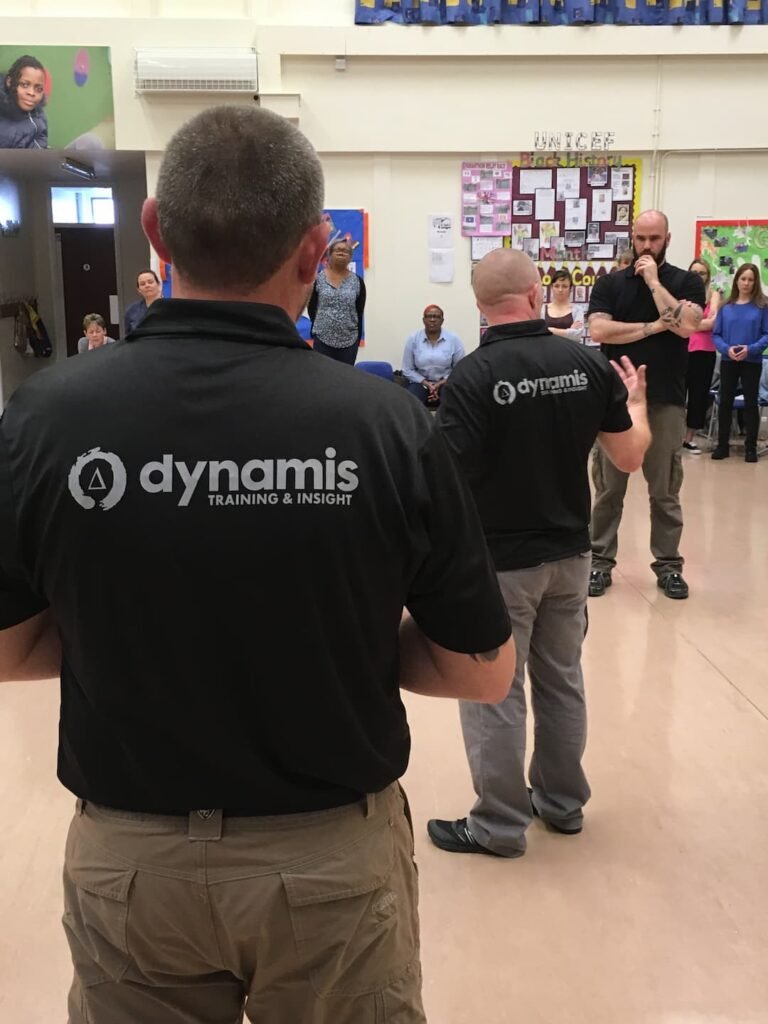
In July 2024, Dynamis Training embarked on an ambitious project with the Ministry of Health in Trinidad and Tobago to revolutionize how public service staff respond to people experiencing emotional or psychological disturbances in the community. Over a year later, this initiative has yielded remarkable results, creating a ripple effect across various governmental departments and fundamentally changing how vulnerable individuals are supported during crisis situations.
The Trinidad and Tobago project, formally known as the Prevention Management and Violence Aggression (PMVA) Train the Trainer program, was designed to address a critical need in public services across the island nation. The initiative aimed to improve outcomes for people experiencing mental health crises when interacting with staff in public services.
The comprehensive program brought together professionals from healthcare, police, and prison services to create a unified approach to crisis intervention. This multi-sector collaboration was crucial, as vulnerable individuals often interact with multiple agencies during periods of distress.
The Dynamis team, led by Director of Training Gerard O’Dea and trainer Alex Hunter, developed a curriculum that went beyond traditional crisis management methods. The program focused on:
What sets this project apart is its focus on sustainability. Rather than providing one-off training sessions, Dynamis certified local trainers who could then disseminate these skills throughout their respective organizations. This “train-the-trainer” approach has created a self-sustaining ecosystem of expertise within Trinidad and Tobago’s public services.
The project certified trainers across different regional health authorities, including North Central, Eastern, Southwest, and Tobago, ensuring comprehensive coverage across the nation. These instructors have been equipped with not only technical skills but also the pedagogical knowledge to effectively transfer these capabilities to frontline staff.
A year into implementation, the project has demonstrated significant positive outcomes:
In the Eastern Regional Health Authority, trainers have conducted five sessions with 15-20 participants each. Staff have responded enthusiastically, recognizing the immediate relevance to their daily work. In North Central Regional Health Authority, approximately 91 staff members have been trained since January, including two cohorts from Arima General Hospital’s emergency department.
Particularly noteworthy is the impact on emergency departments across the country. These high-pressure environments, where staff frequently encounter individuals in crisis, have reported improved confidence in de-escalation techniques and a reduction in conflict situations.
The training has been equally transformative for police officers. The program included specialized modules tailored to law enforcement scenarios, such as responding to mental health crises in public spaces. This has enhanced officers’ ability to distinguish between criminal behavior and psychological distress, leading to more appropriate interventions.
Prison officers have reported increased confidence in managing challenging behaviors without resorting to restrictive practices. As one prison officer noted during training, “Knowing I can protect myself if needed has made me more confident in my verbal de-escalation skills. I’m less likely to rush into physical intervention now.”
The most recent feedback from the project has been overwhelmingly positive. As reported: “We have an amazing team of instructors. They have been training with such enthusiasm and the feedback we’re getting from participants is fantastic. We have even had requests from the legal team that provides Legal Aid and the team that investigates police complaints. Amazing work is being done and the word is spreading like wildfire.”
This expansion beyond the initial target services demonstrates the program’s broader relevance and effectiveness. The interest from legal aid services and police complaint investigation teams suggests that the principles of dignified, trauma-informed interaction are applicable across the entire justice system.
One of the most significant achievements of the project has been the unprecedented level of cross-departmental collaboration. As noted in a recent meeting: “We have the prisons supporting the RHAs (Regional Health Authorities), RHAs supporting everything else, and that is being reciprocated.” This cooperative approach ensures consistent handling of vulnerable individuals across different touchpoints in the system.
As the project continues to evolve, several developments are underway to further enhance its impact:
The success of the Trinidad and Tobago project has created a blueprint for similar initiatives across the Caribbean. The culturally sensitive, adaptable approach has proven effective in the specific context of Trinidad and Tobago, while maintaining the core principles that make these interventions effective worldwide.
The project demonstrates how evidence-based crisis intervention techniques can be successfully implemented in diverse cultural contexts, providing valuable lessons for future international collaborations.
The Trinidad and Tobago PMVA project represents a significant advancement in how public services address the needs of vulnerable individuals in crisis. By bringing together diverse agencies, focusing on sustainable skill development, and emphasizing dignity and respect, the initiative has created lasting change in how mental health crises are managed across the island nation.
As the program continues to expand and evolve, its impact extends beyond the immediate improvement in crisis response to a fundamental shift in organizational culture – one that prioritizes compassion, understanding, and effective support for those experiencing their most challenging moments.
Download our Positive Handling starter guide for schools.
Ready to explore Positive Handling training for your staff team? Let’s talk today.
What do you need? Use our simple tool to find the most relevant training and support options for your role, sector and challenges.